

Plants and their seeds range in size and shape from teeny-tiny to humongous. Seeds are grown for eating raw and processed almost any way you can think of. Seeds, or ‘baby plants’ also have the important job of carrying on the next generation when planted underground. Seeds are valuable to humans in both roles. Plant breeders and agronomists work to grow plants with the highest number of seeds and the biggest, healthiest seeds (yield). Thank a seed today for achieving its potential! wheat and peanuts – a lunch of seeds!
“An ordinary favor we do for someone or any compassionate reaching out may seem to be going nowhere at first, but may be planting a seed we can't see right now. Sometimes we need to just do the best we can and then trust in an unfolding we can't design or ordain.” — Sharon Salzberg
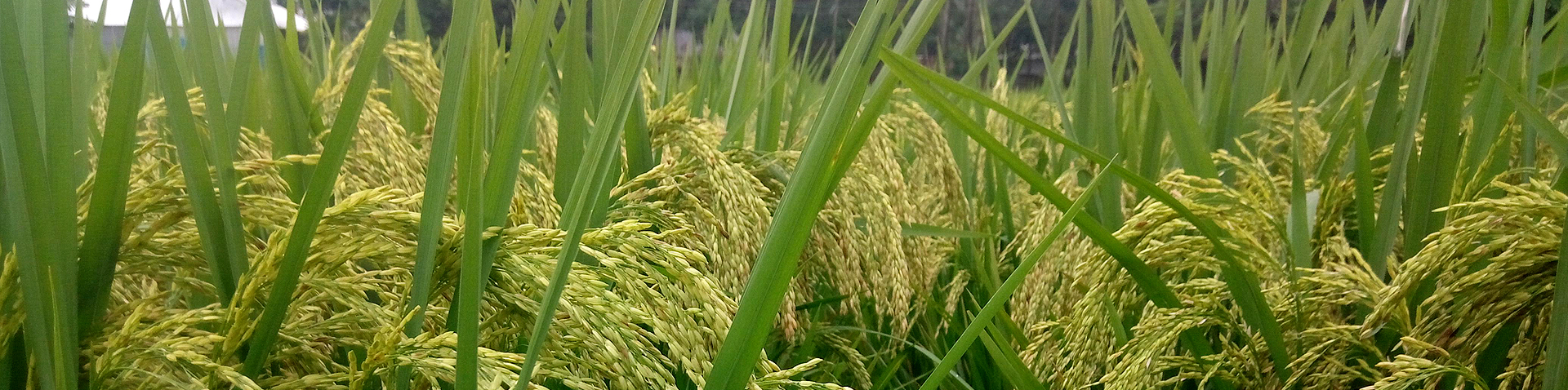
Will there be enough food to feed the world in the future? The global population will likely hit 9 billion by 2050, climate change is bringing about extreme weather and altering agricultural conditions, and around the globe, 925 million people still go hungry.
Scientists and agronomists are racing to develop seeds that are higher yielding, more nutritious, and drought and climate resilient to meet these challenges. But while some experts believe genetically modified seeds are the only solution to the problem, others claim small-scale organic agriculture is more effective and sustainable. This is a look at some of the ways seeds are being improved.
Between the mid-1950s and mid-1990s, Borlaug and other researchers succeeded in more than doubling the yields of wheat, rice and corn, averting a mass famine, and kickstarting the “Green Revolution.” Using hybrid seeds, fossil fuel-based fertilizer and pesticides, and intensified irrigation, the Green Revolution greatly increased agricultural output throughout the state. Since the mid-1990s, however, Punjab’s crop yields have stalled, due to increasing complications from Green Revolution techniques.
Excessive irrigation has resulted in rapidly falling water tables. Soil health has been depleted. The adoption of high yield varieties has led to more monocultures and decreased biodiversity. And farmers are now dependent on expensive inputs that profit big companies, rather than traditional farming methods that draw on local resources and skills.
In the last 30 years, global corn and wheat production has decreased 3 to 5 percent as a result of the warming climate. According to the Rockefeller Foundation, by 2030, maize production in Southern Africa could drop 30 percent due to climate change. Biotech companies are racing to develop drought tolerant seeds that will fare better in hot, dry conditions. Dupont and Syngenta have developed drought-tolerant hybrid corn varieties that have not been genetically modified. Monsanto touts its DroughtGard Hybrid genetically modified corn as biotech’s first drought solution that is “designed to help farmers mitigate the risk of yield loss when experiencing drought stress.”


.jpg )
